24-Hour Emergency Electrician in Eixample: Faults and What to Do
If you need an emergency electrician in Eixample, call a 24-hour service, describe the symptom (power cut, RCD tripping, smell of burning) and unplug the affected appliances while the technician is on the way. As Eixample is a central area of Barcelona, travel is usually quick, but the actual arrival time depends on the time of day, traffic and workload. A good service will give you an honest estimate when you call.
1. Typical faults in Eixample buildings
Many Eixample buildings have decades of history, and their electrical systems have been extended over the years: more appliances, air conditioning, induction hobs and so on, all on a base that was not always designed for them. These are the most common problems:
- The ICP (main circuit breaker) or main switch trips when several appliances are switched on at once. This suggests that the contracted power or the circuit cannot cope with the load.
- An RCD (residual current device) that trips for no obvious reason, often because of damp (light wells, terraces, bathrooms), a leaking appliance or ageing wiring.
- Old consumer units with fuses or no RCD, which no longer offer adequate protection.
- Sockets, extension strips or switches that overheat, turn black or smell of burnt plastic.
- Faults in communal areas: stairwell lighting, the entry phone or the meter room.
- Ground-floor businesses: overloaded fuse boards, lighting failures, signs or refrigeration equipment.
If the fault is in communal elements (risers, meter room), let the building administrator know. If the problem lies in the distribution network, before the meter, it is the network operator who must fix it. Inside your home or business premises, the work should be carried out by an authorised installer.
2. Arrival times: what affects them
There is no fixed time, and you should be wary of anyone who promises one without knowing your situation. These factors have an influence:
- The time of day and traffic in Barcelona and its metropolitan area, especially at peak times.
- The availability of technicians at that moment.
- How difficult access is: parking, a locked main door, stairs without a lift.
- The severity: if there is a risk to people, the call-out is given priority.
To speed things up, have the full address ready, including floor and door, a contact telephone number and a clear description of the symptom. If you can, take a photo of the consumer unit exactly as it is, without touching anything. Also let the concierge or a neighbour know, so that they can open the main door and the meter room.
3. What to do while the electrician is on the way
These steps are safe and do not involve tampering with the installation:
- Check whether the power cut affects only your home: see whether the stairwell lights or your neighbours' homes have power.
- Unplug the appliances you were using when the fault occurred, especially heaters, ovens, air conditioning and extension strips.
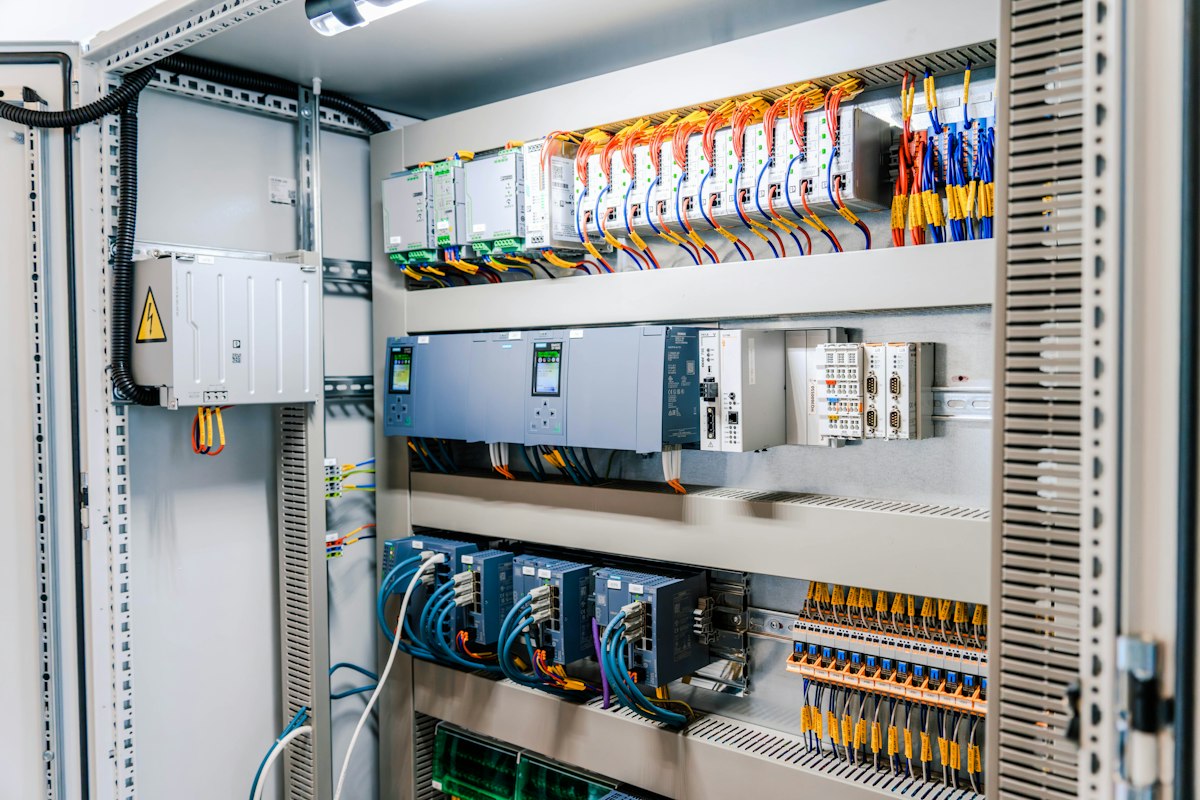
- Look at the consumer unit without opening any covers or touching any wires. If the RCD or an MCB (miniature circuit breaker) has tripped, you can reset it once, with the appliances unplugged. If it trips again, do not keep trying.
- Use a torch, never candles, and do not open the fridge or freezer more than necessary.
- Keep access to the consumer unit clear and note down what happened just before the fault: it will help with the diagnosis.
If you want to understand the causes better, we have a guide on why the RCD trips and what to do step by step and another on what to do if you lose power at home.
4. Warning signs and what not to do
There are situations in which you should not wait for someone to reset anything:
- A smell of burning, smoke or sparks at sockets or in the consumer unit.
- Crackling, buzzing or abnormal heat in switches, sockets and cables.
- Tingling or electric shocks when touching taps, appliances or metal casings.
- Water in contact with sockets, the consumer unit or wiring.
If there is smoke, fire or anyone in danger, call 112. If you can do so safely and with dry hands, switch off the ICP or main switch and move away from the area. Do not open the consumer unit, do not touch wires, do not bypass protective devices or replace an RCD with one of a higher rating, and avoid makeshift extension leads.
The Low Voltage Electrotechnical Regulations (REBT) require installations to be carried out and maintained by authorised installers, and certain alterations or extensions require an installation certificate (CIE). If your building has an old installation and faults keep recurring, an electrical installation inspection can identify weak points before they turn into an emergency.
5. Frequently Asked Questions
- Do you attend emergencies in Eixample at night and on public holidays? Yes, the emergency service operates 24 hours a day, every day of the year.
- How long does the electrician take to arrive? It depends on the time of day, traffic and availability; when you call, we will give you a realistic estimate.
- Can I replace the RCD that keeps tripping myself? No. The fact that it trips points to a problem, and replacing or bypassing it is dangerous; it must be checked by an authorised installer.
- Do I need a certificate (CIE) after the repair? Only if there is an alteration or extension that requires one; the installer will tell you whether it applies.
If you have an electrical fault in Eixample or anywhere in Barcelona and its metropolitan area, contact our urgent electrical repair service. We will respond 24 hours a day, advise you by phone on what to do safely and send an authorised technician as soon as possible.